
Murielle: The Process - 3. Finding the right medium
The one with the bad soft pastel drawings

I really admire illustrators who take the time to play and experiment when they start a new book. I tend to be a little too task-oriented. For Murielle, I really wanted to take the time to explore a little.
This is the third post in a series on the process behind my picture book Murielle et le mystère. In the last post, we looked at how I revised the storyboard for this book. This time, I’ll show you how I chose the medium for the final illustrations.
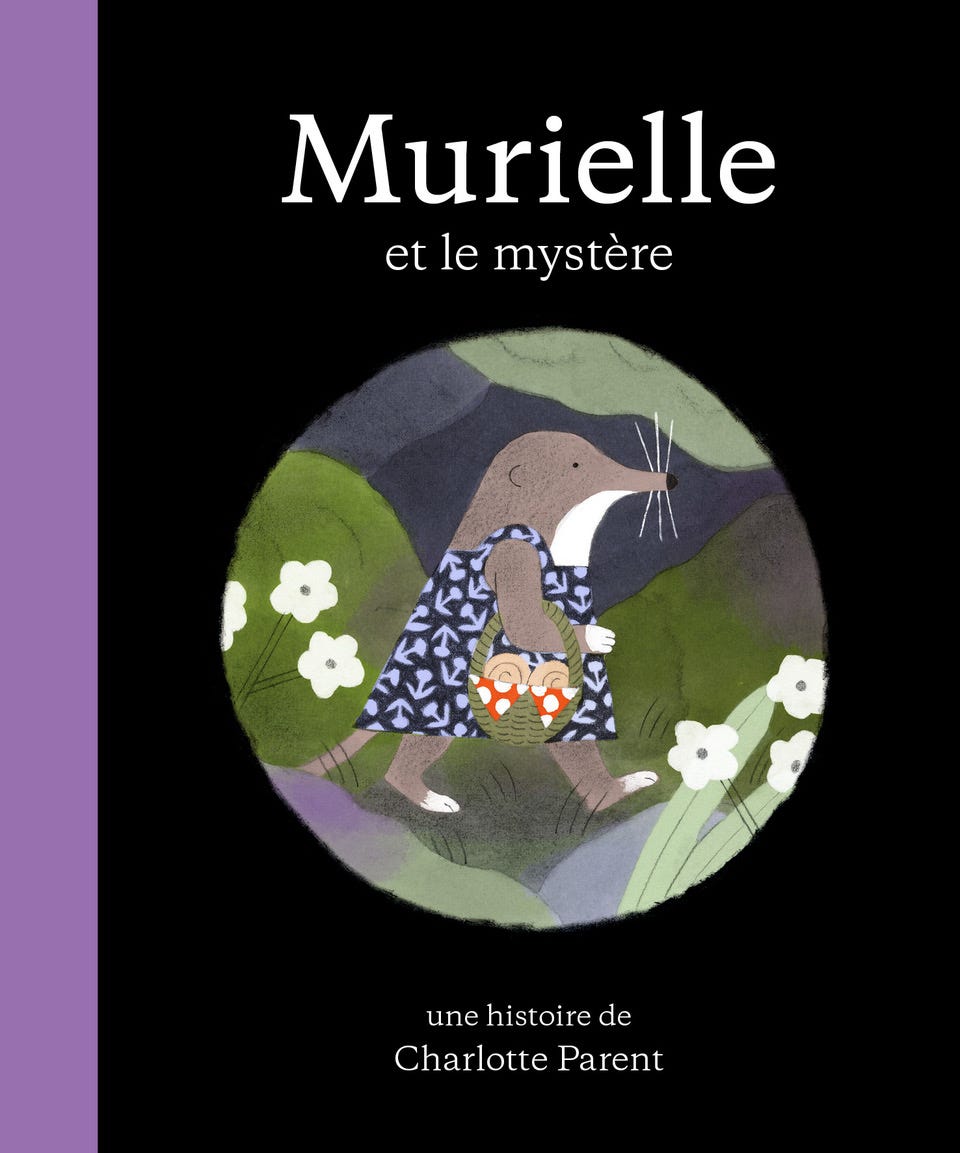
From the beginning, I knew I wanted my illustrations for this book to be looser and more spontaneous than my coloured pencil illustrations (for The Magic Cap and Milo the Knight). I wanted the illustrations to be darker, softer, and… more alive? I knew I needed to find just the right medium.
I also felt like I needed to work on my values. I work very intuitively with colour but I tend to struggle a bit more with value.
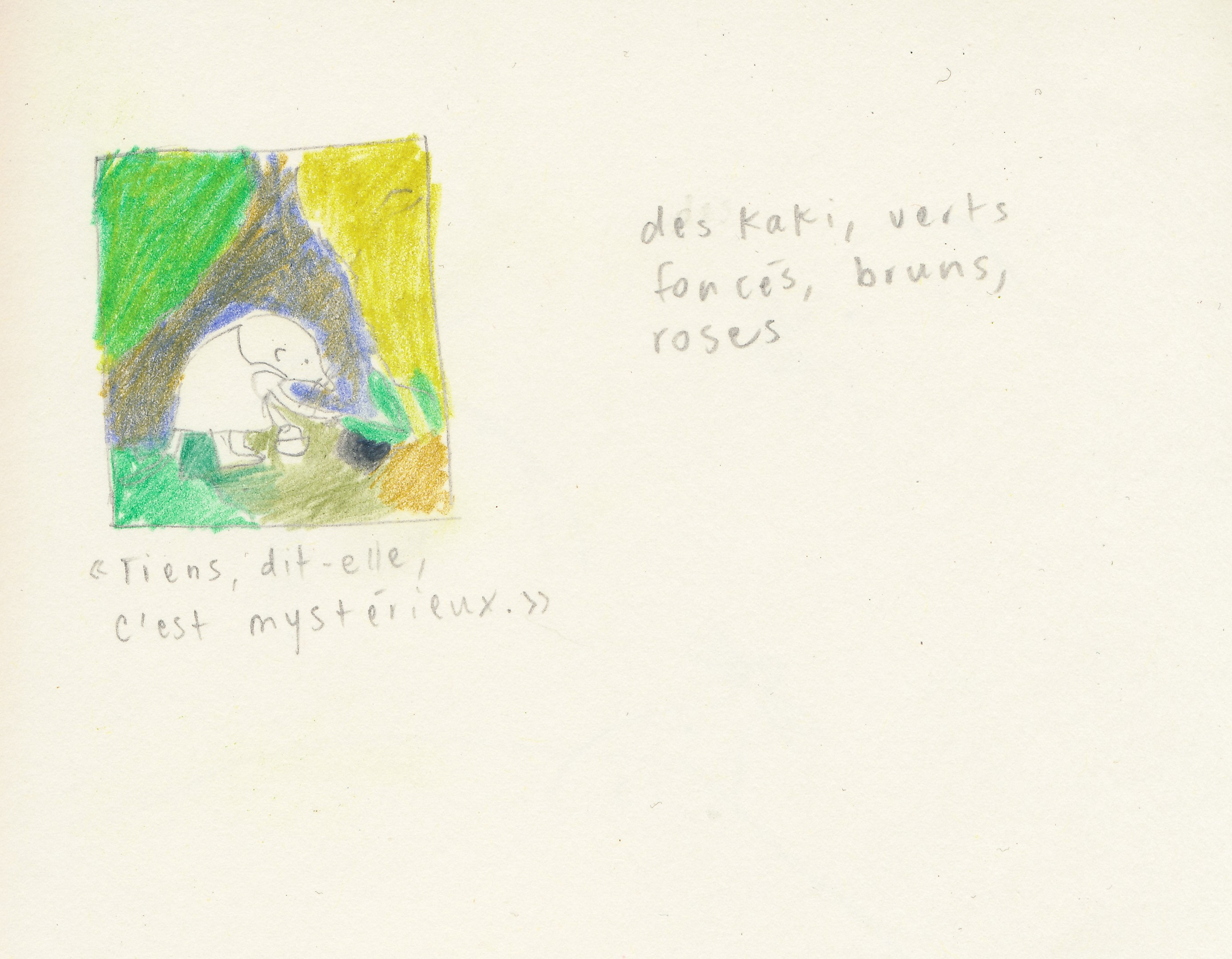
This is the first tiny sketch in colour I did in my sketchbook, as I was figuring out what the book might look like:
Trial and error
I had to start somewhere. I tried coloured pencils first (very uncourageous of me). I thought I could use them differently to create looser, more grainy drawings. I got really excited about the tiny drawing I made on this page (at the bottom):
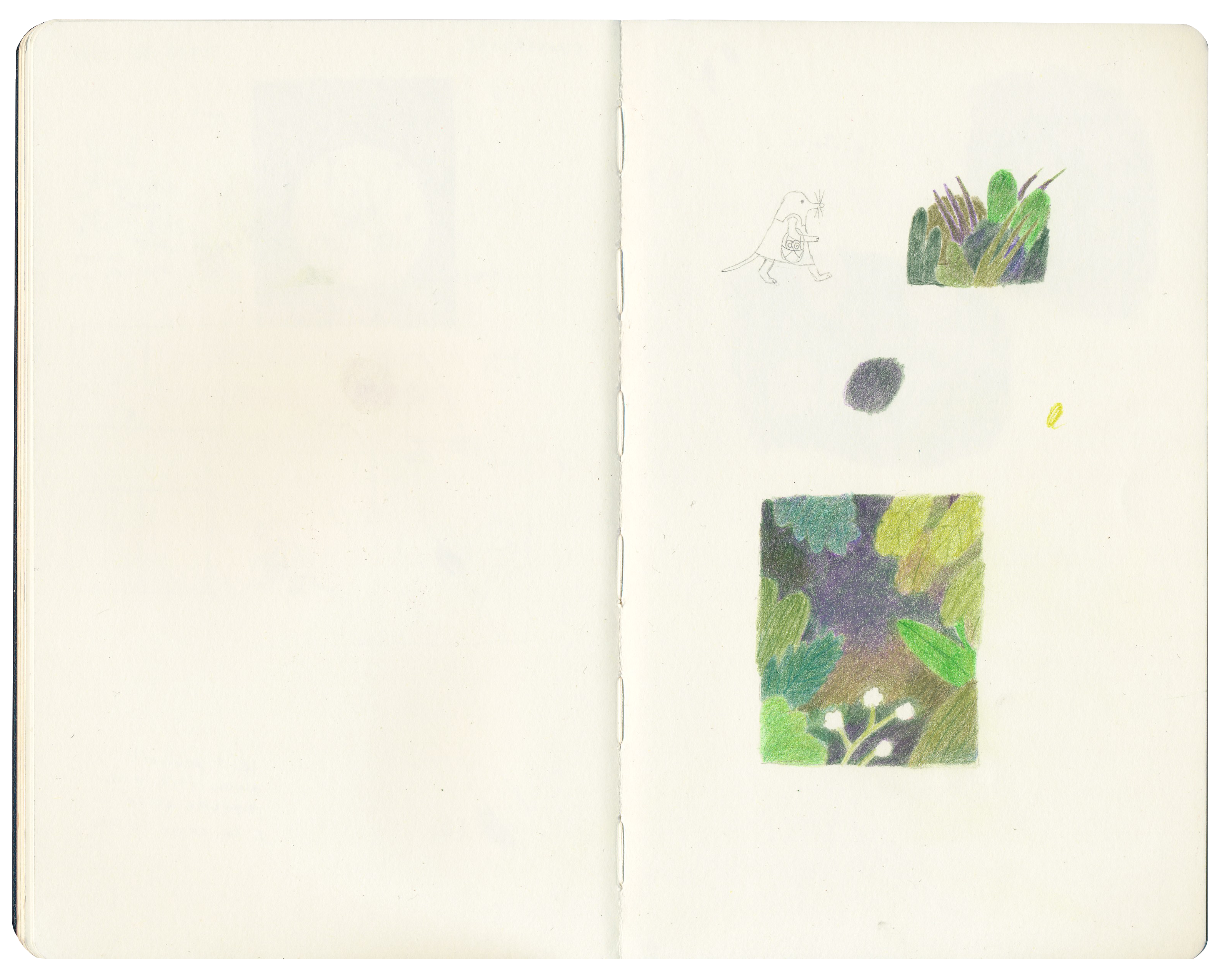
I worked in soft layers of pencil and resisted the urge to blend them the way I usually do.
Then, I tried a couple more and felt that they fell flat.
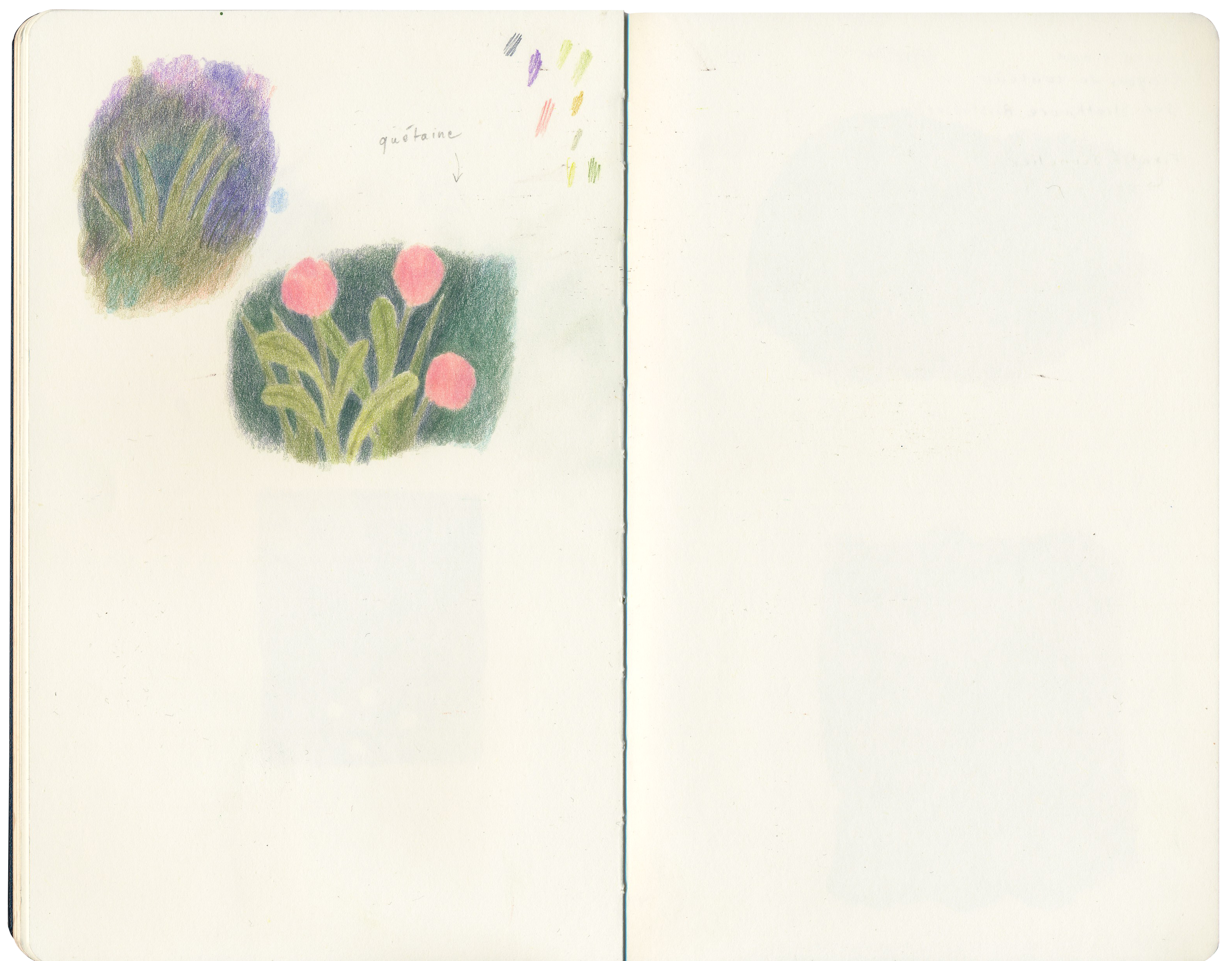
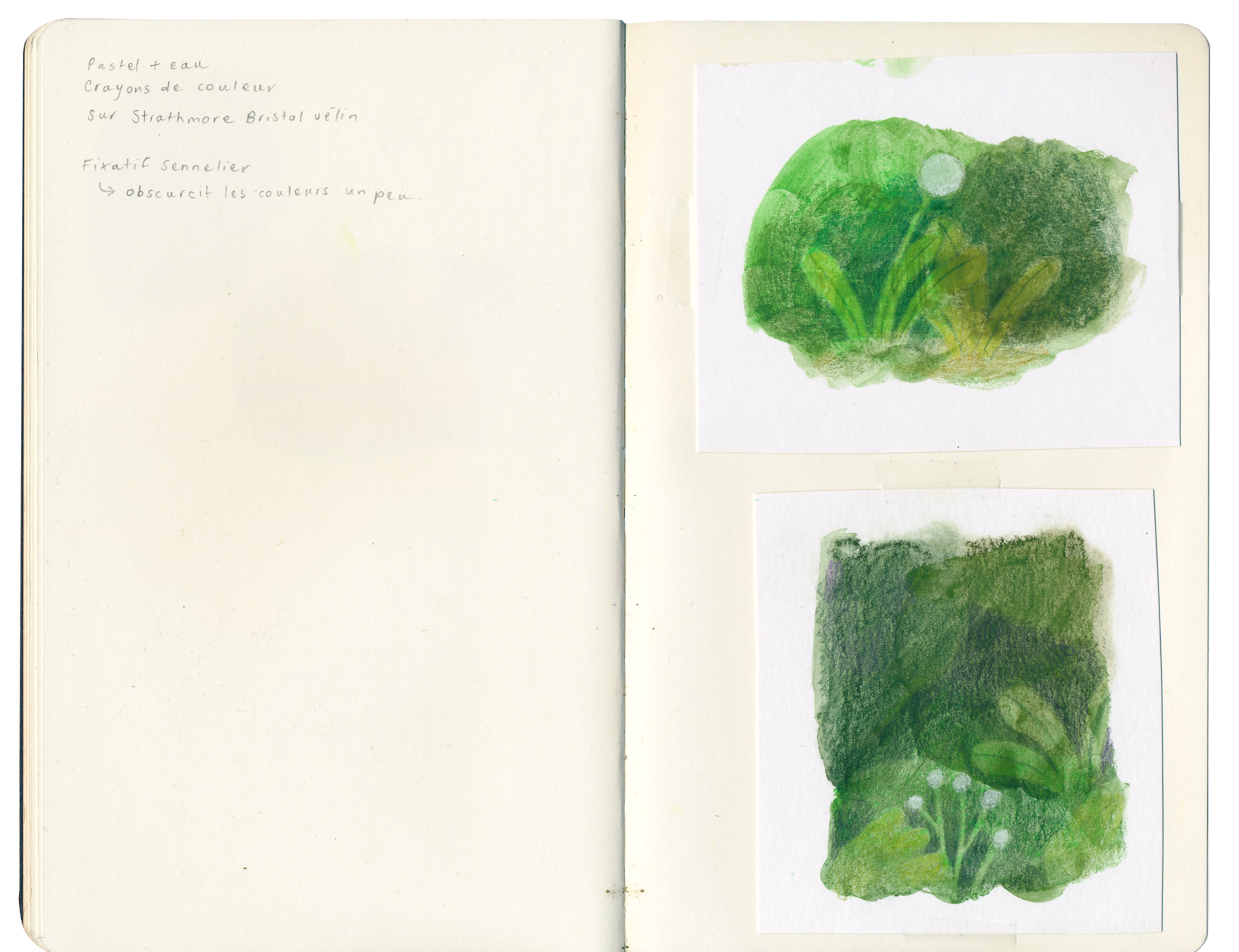
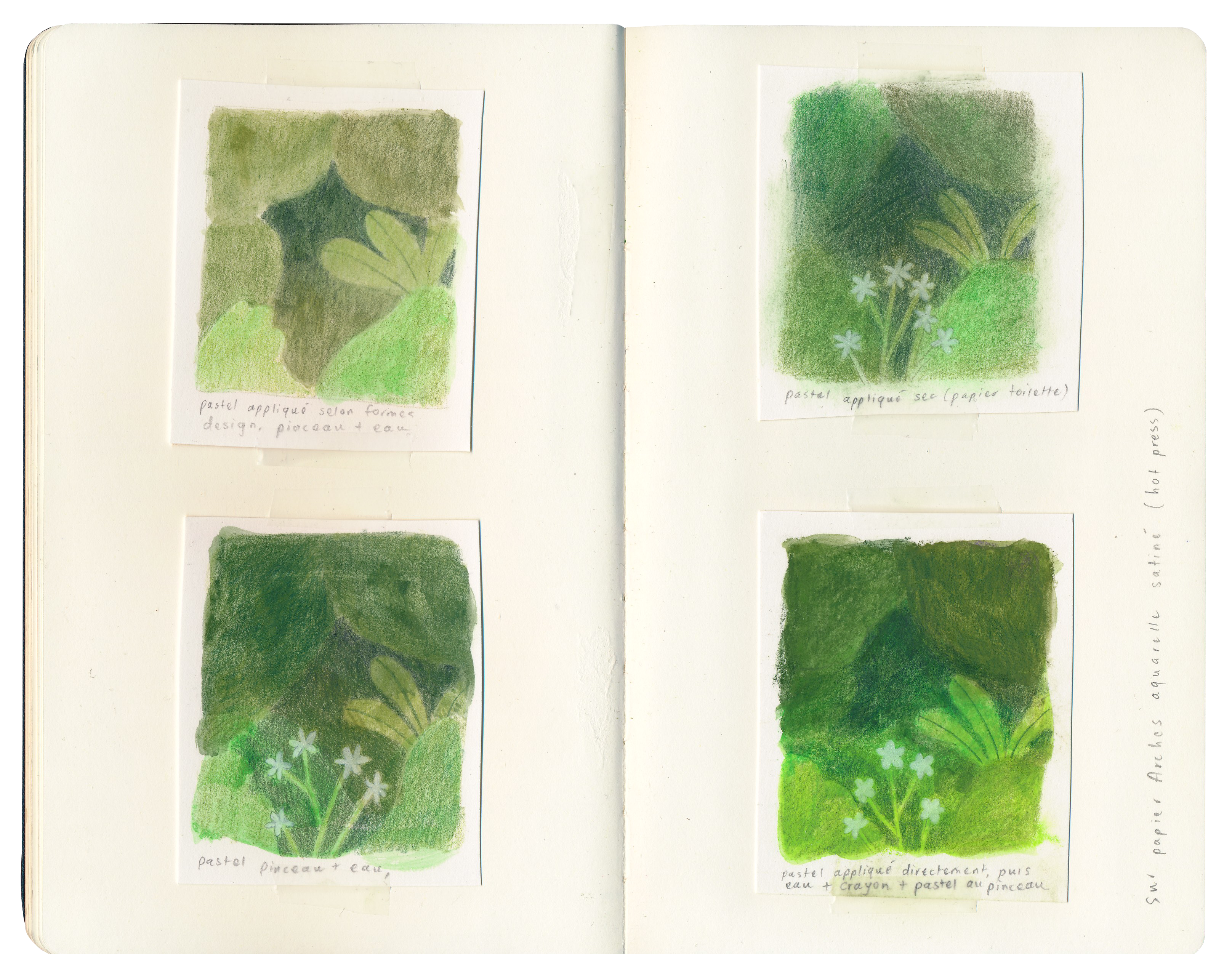
I tried soft pastel next. I applied them a bunch of different ways (wet and dry). I have not used pastels a lot in the past and I was really hoping they would be right for this book.
I loved these first two sketches:
I didn’t feel as excited about these:
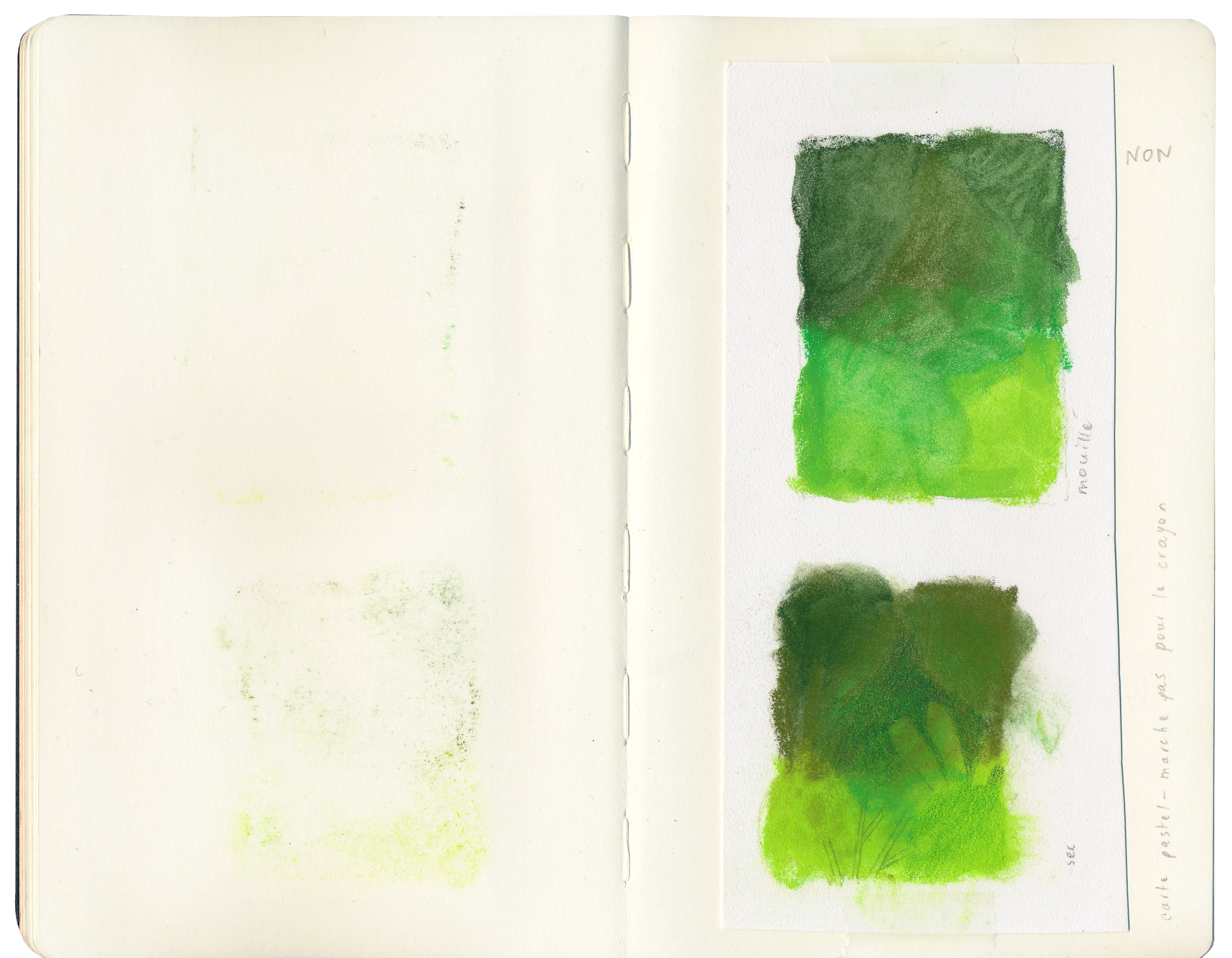
And I hated working on pastel card (I probably didn’t use it right):
I knew I couldn’t just draw little bits of forest forever. I needed to try actually placing my character in that landscape for the tests to make sense.
I guess I felt a little discouraged about pastel, because I went back to coloured pencils and tried to draw Murielle in colour.
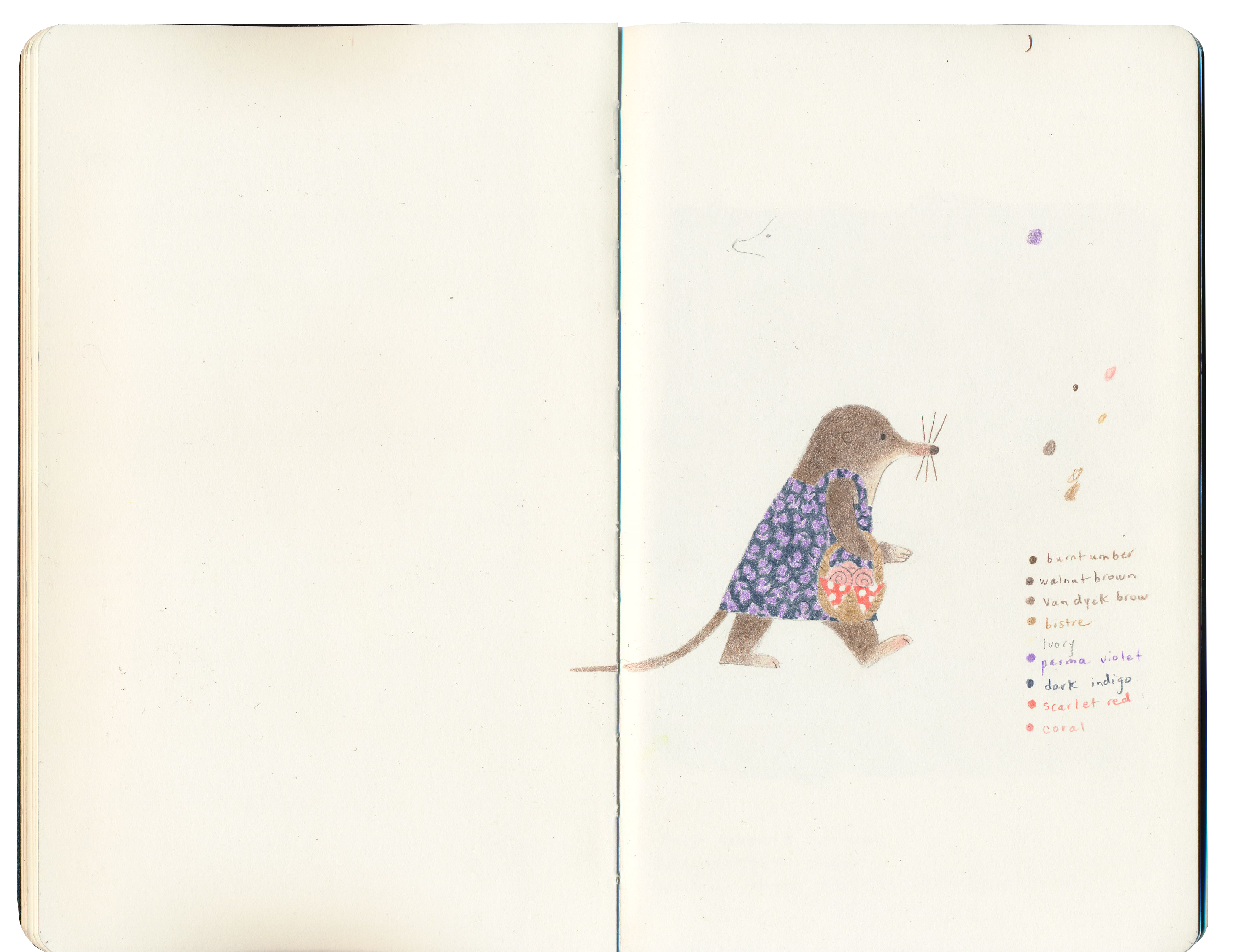
Next, I tried to combine the pastel landscapes with the character.
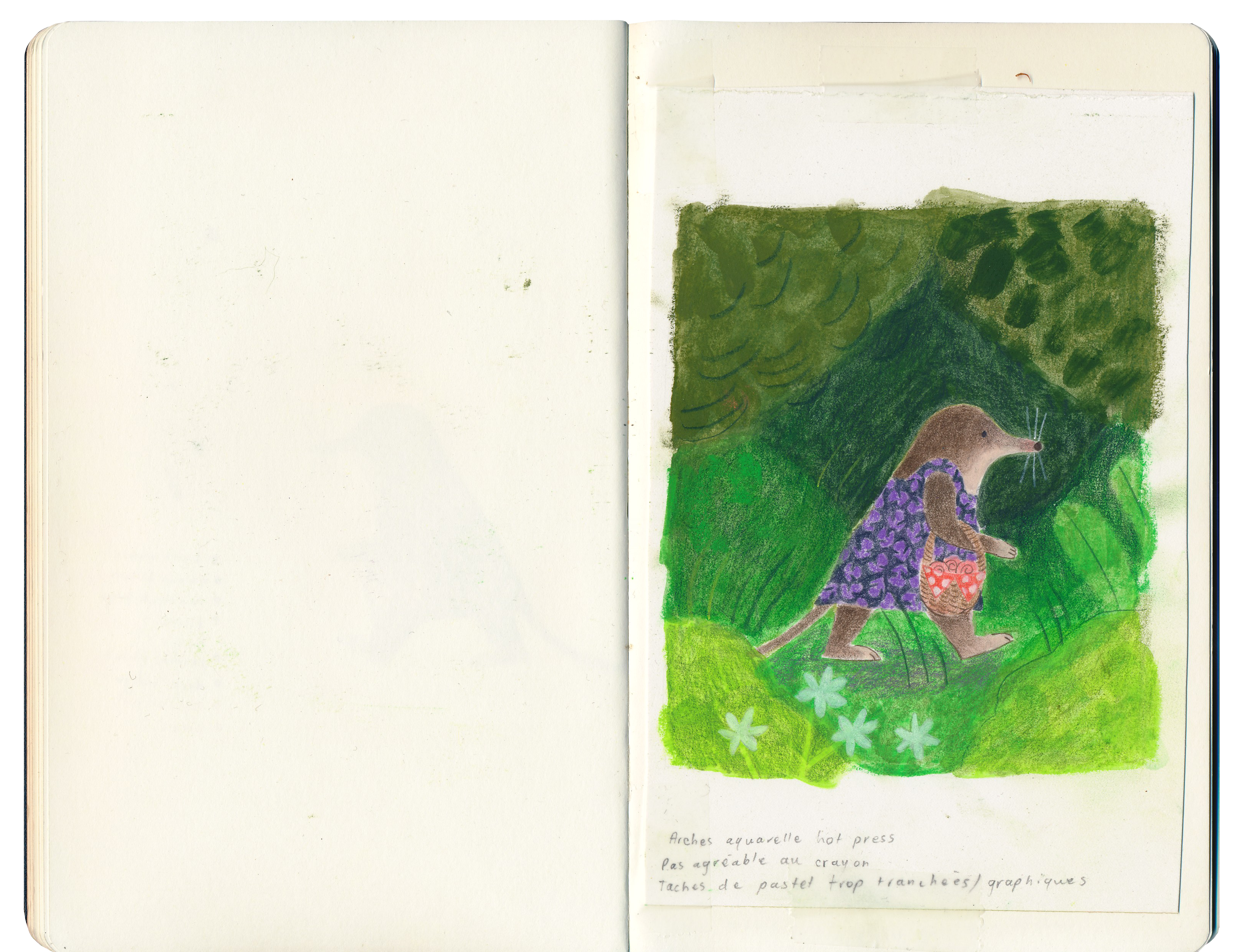
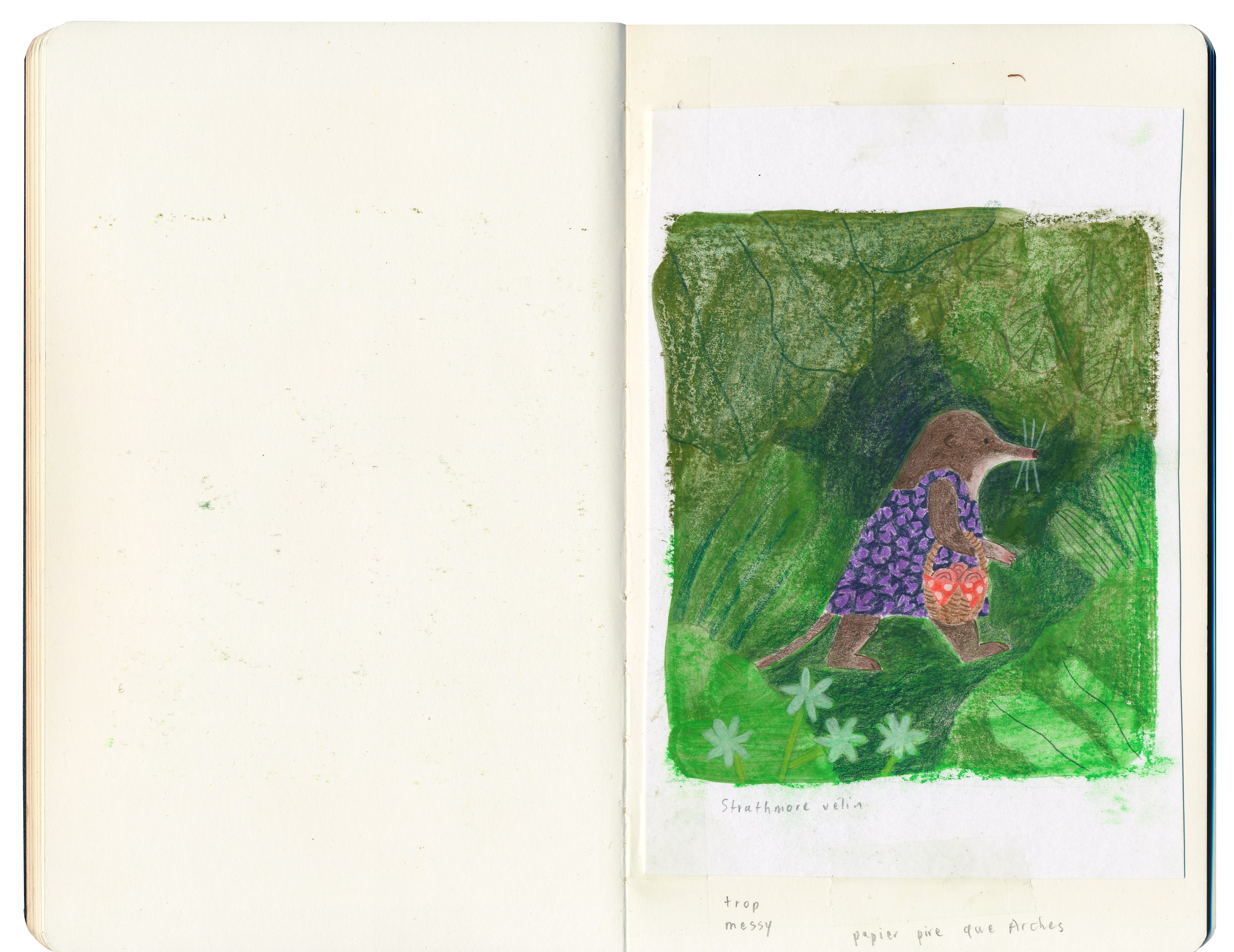
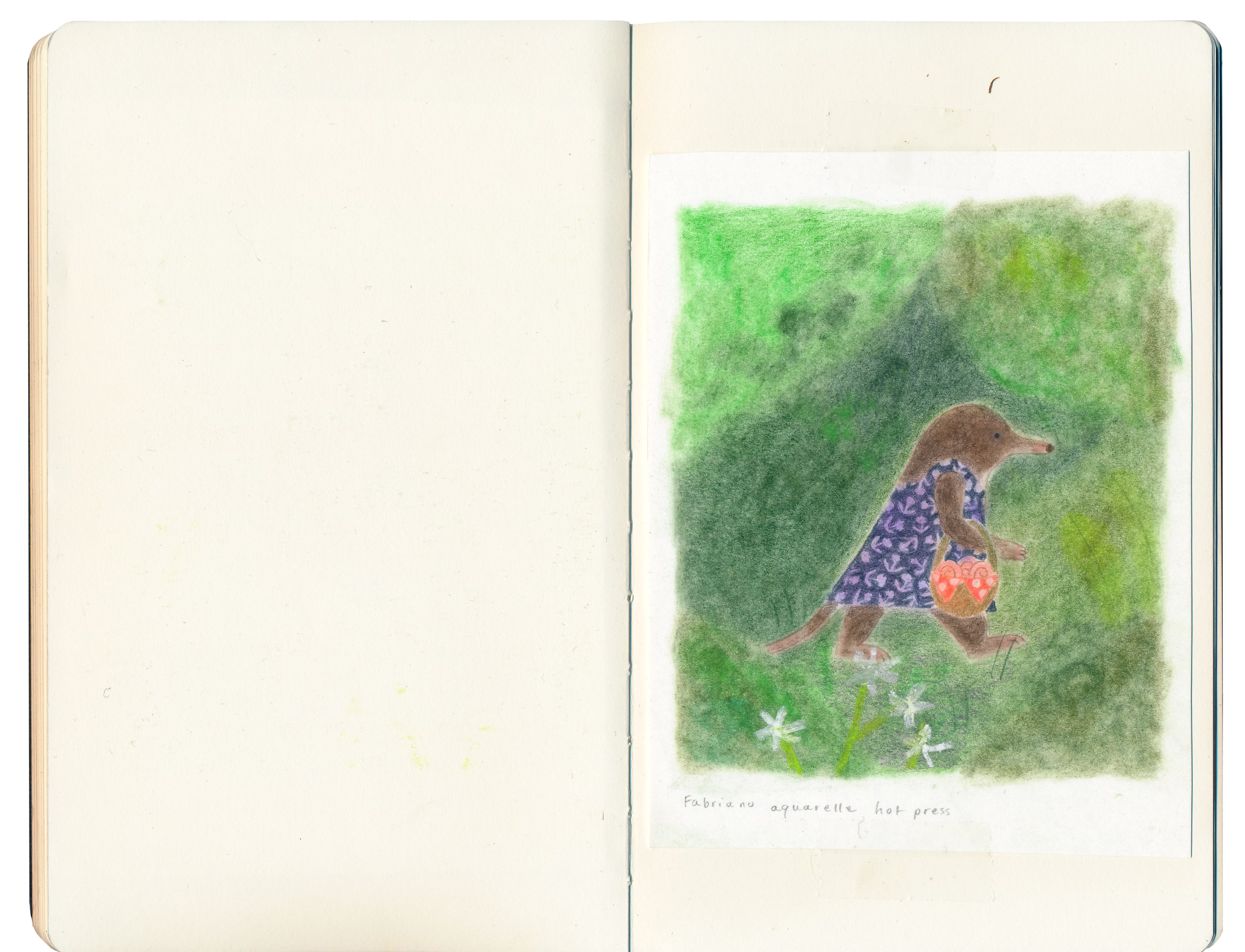
These were wrong. And also… bad1. I lost hope in pastels.
I went back to this little coloured pencil drawing I had made early on:
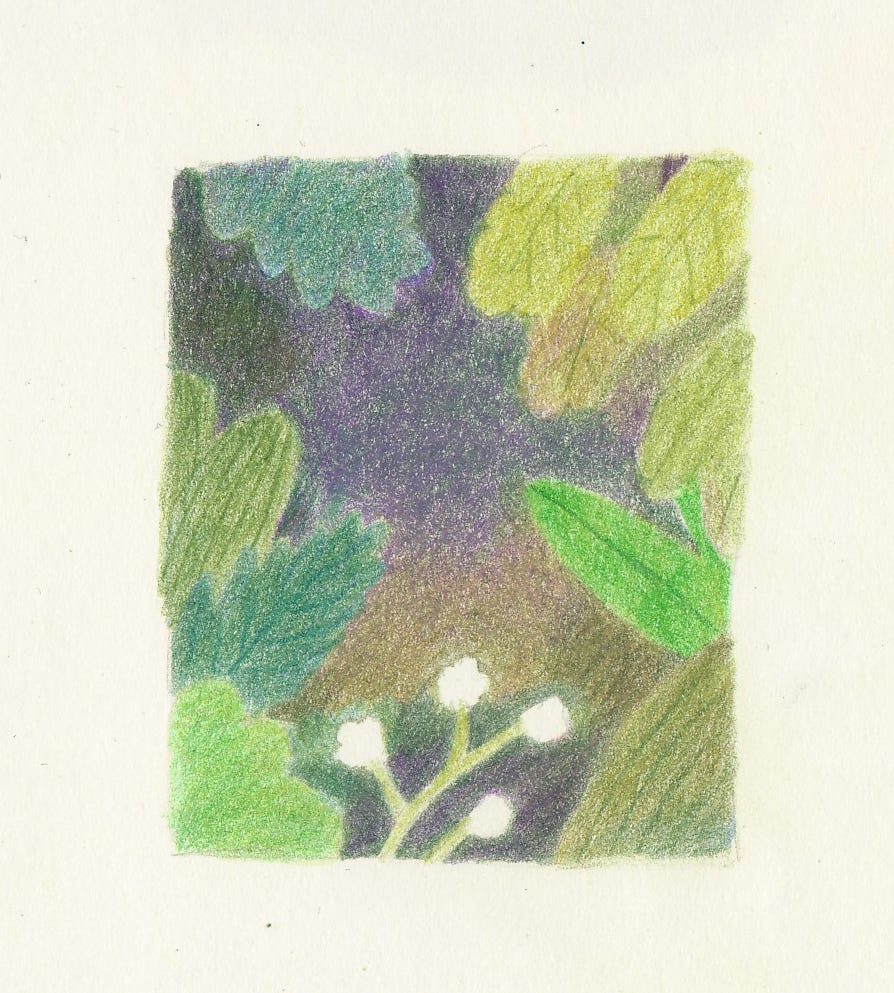
I thought maybe this was the way to go. The drawing is soft and intriguing and dark and a lot of things I wanted the book to be. So I tried the same scene I had been desperately working on in pastel, but with my trusty coloured pencils.
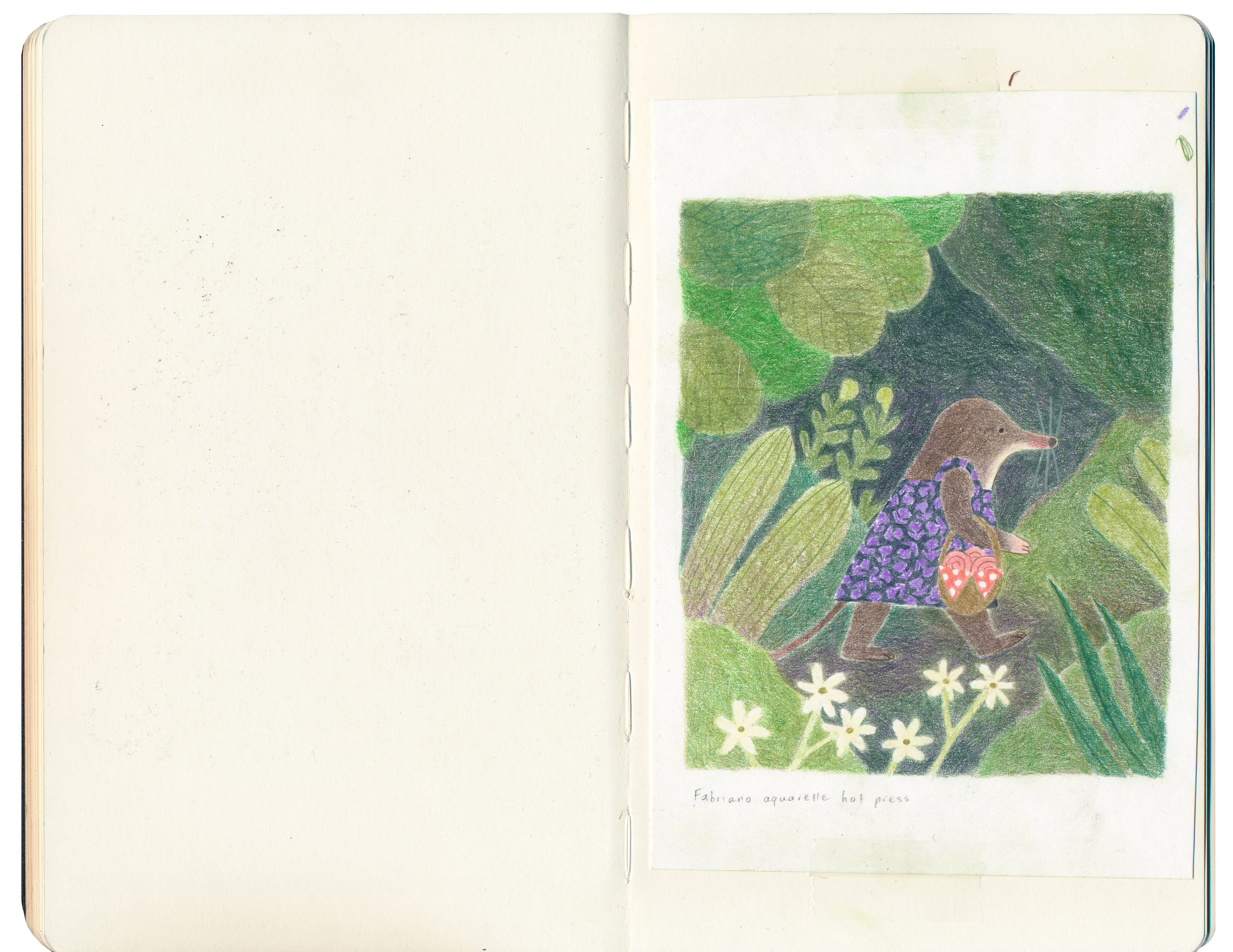
It kind of worked. But it looked lifeless . I think part of that was due to taking the easy way out and falling back on coloured pencils (smack dab in my comfort zone) when I really wanted to explore something new. But it was also the fact that I had been roughly tracing this drawing as a way to work faster through the different tests. Eventually, I realized that tracing killed the drawing.
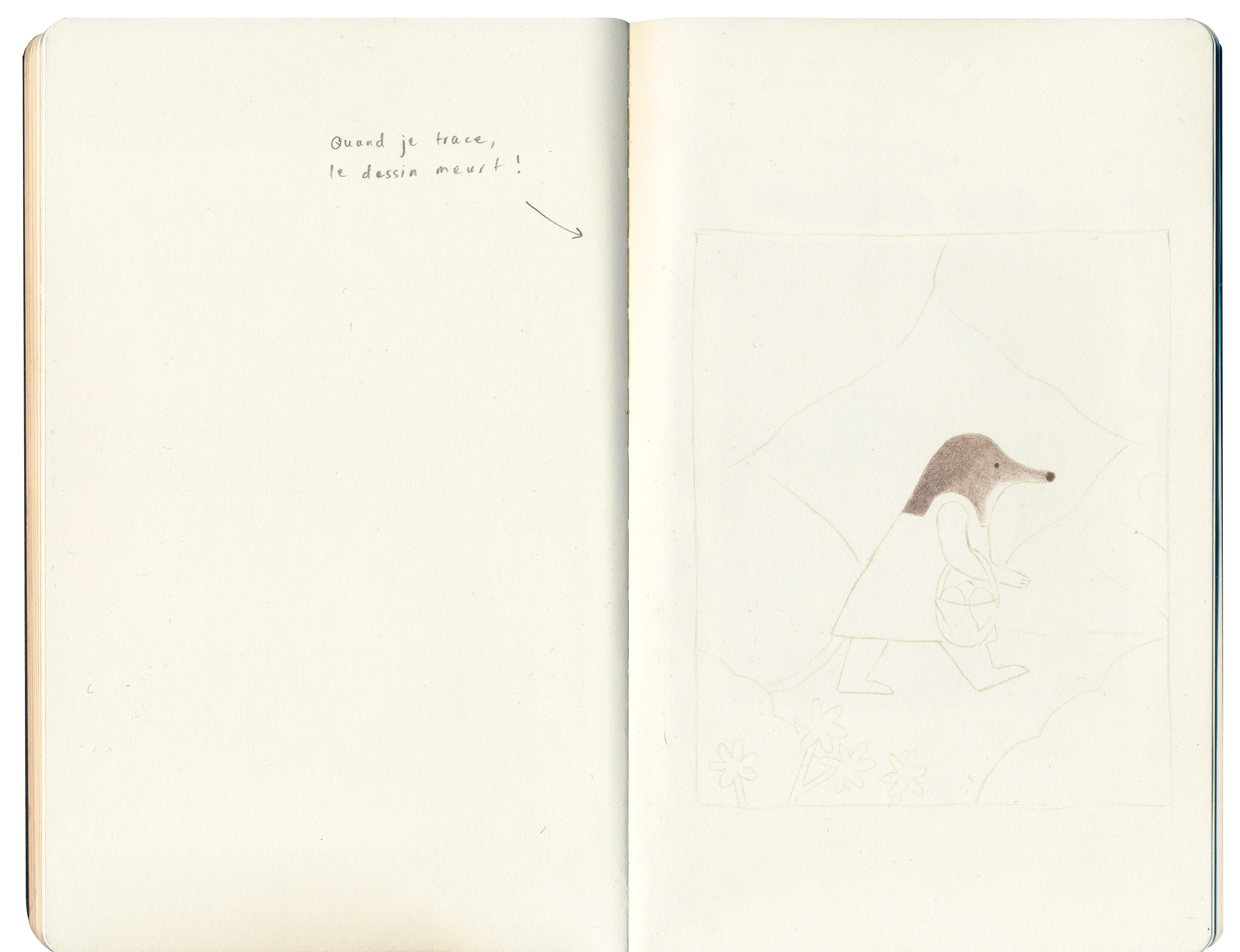
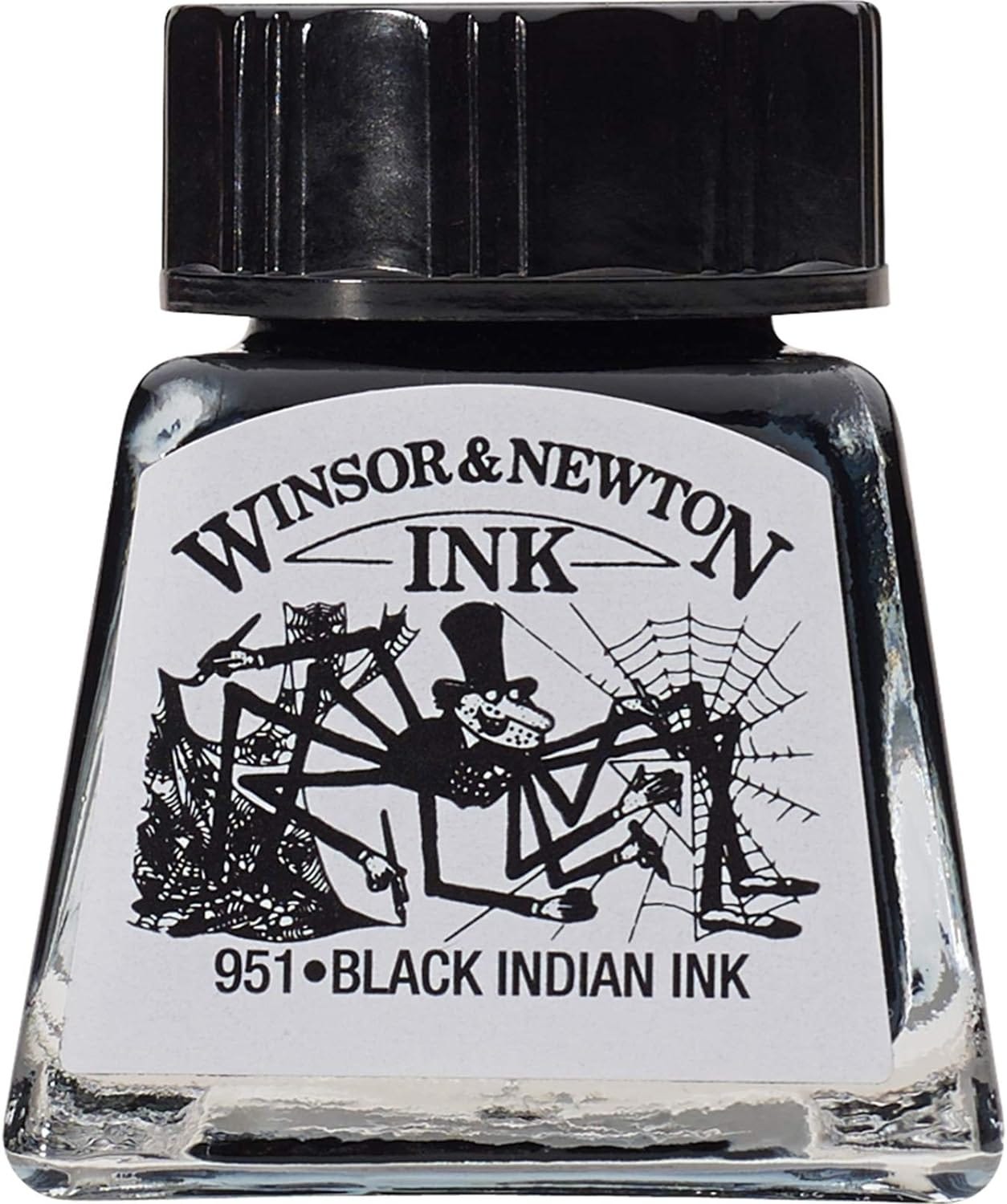
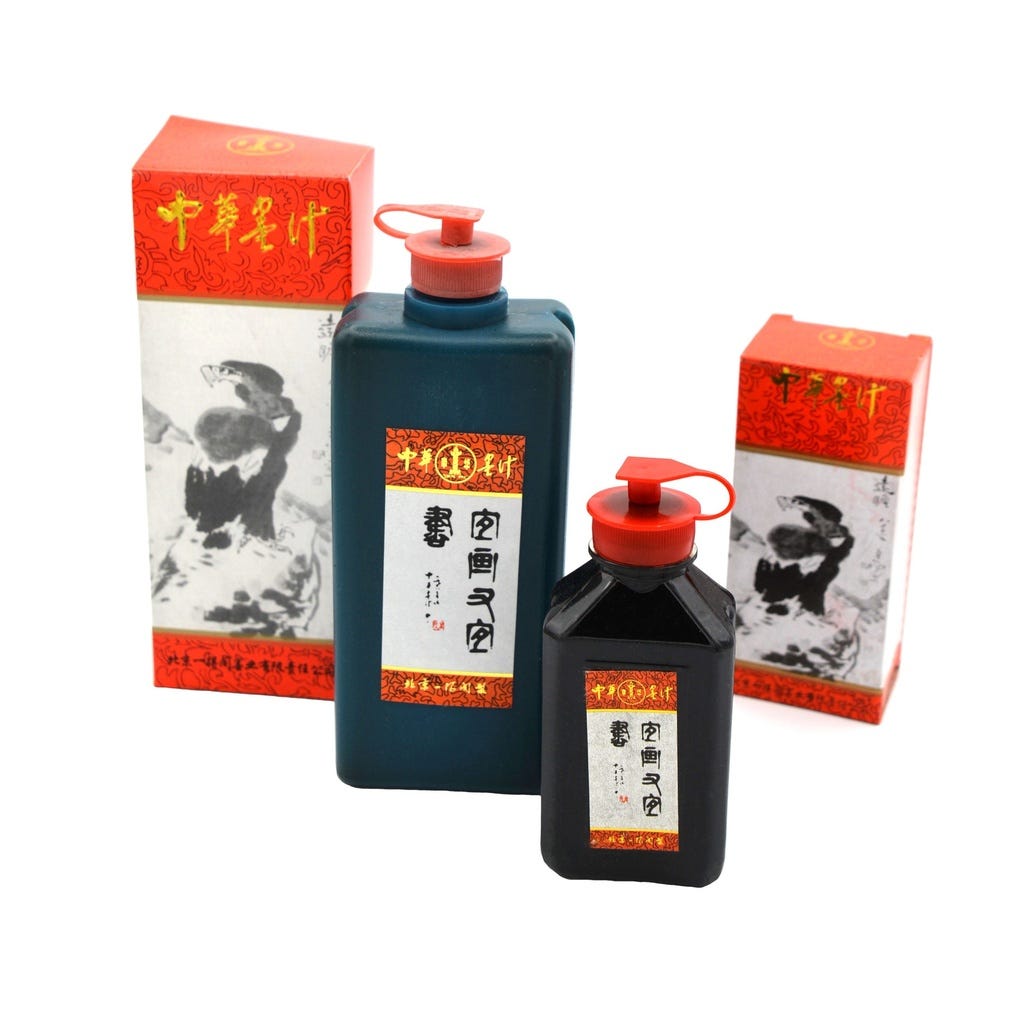
I put the pastels and coloured pencils aside and brought out the Chinese ink. I had been meaning to work with value more this time around. I figured I could try working in black and white and doing colour overtop or on a different piece of paper. Maybe that was a way to get unstuck.
I drew a slightly different scene, without tracing this time.
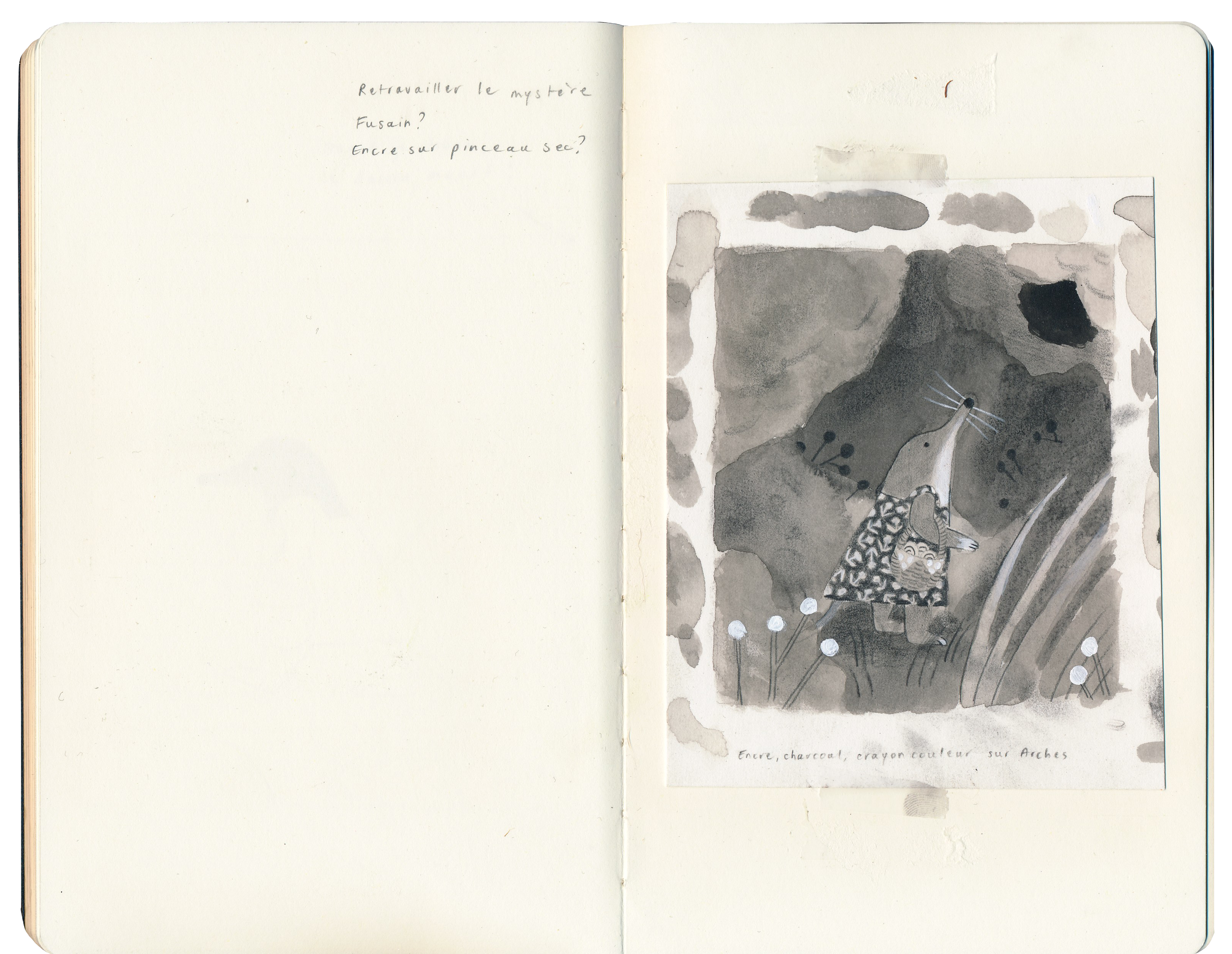
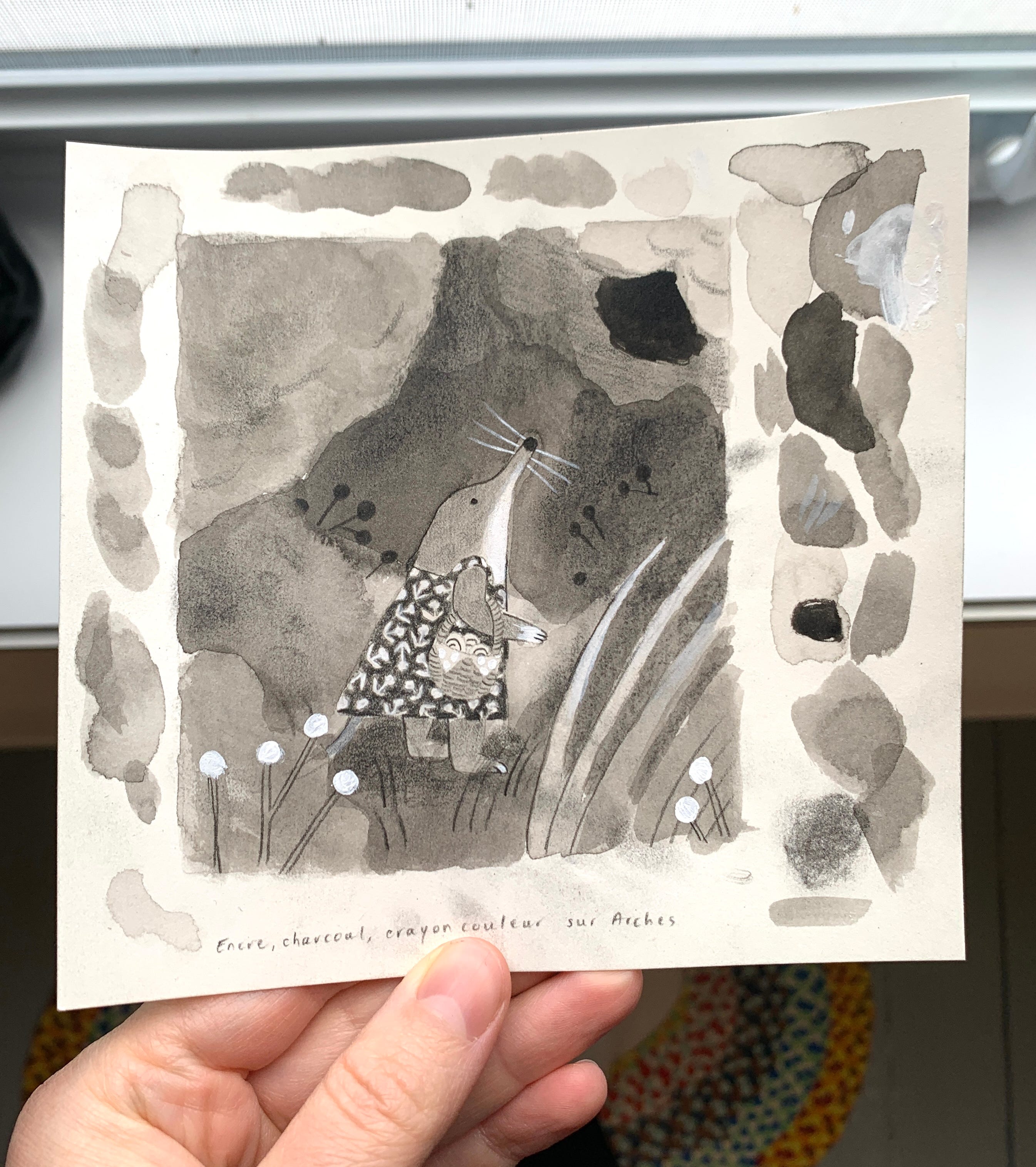
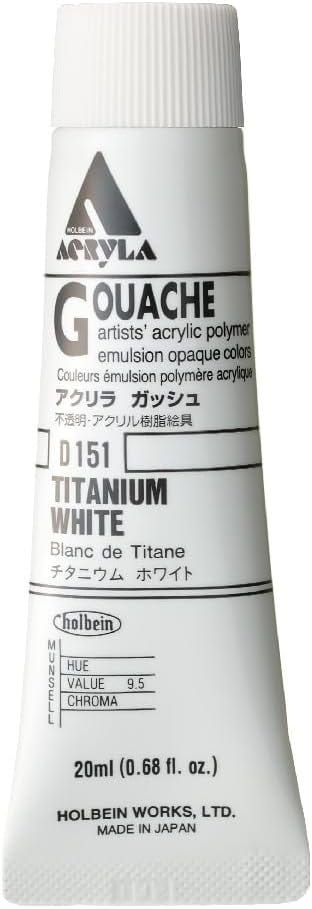
I used Chinese ink, then added charcoal, white gouache, and black and white pencils. This drawing really came alive for me. I had fun painting it. It felt loose and spontaneous. I recognized my Murielle (I had totally lost her in those stuffy pastel and coloured pencil drawings!). I got excited again.
Next, I tried different ways of adding colour.


None of these felt right. I tried adding colour digitally on Procreate, and I liked it much better. I also liked how much control that gave me over the palette.


This image felt like the book I was trying to make.
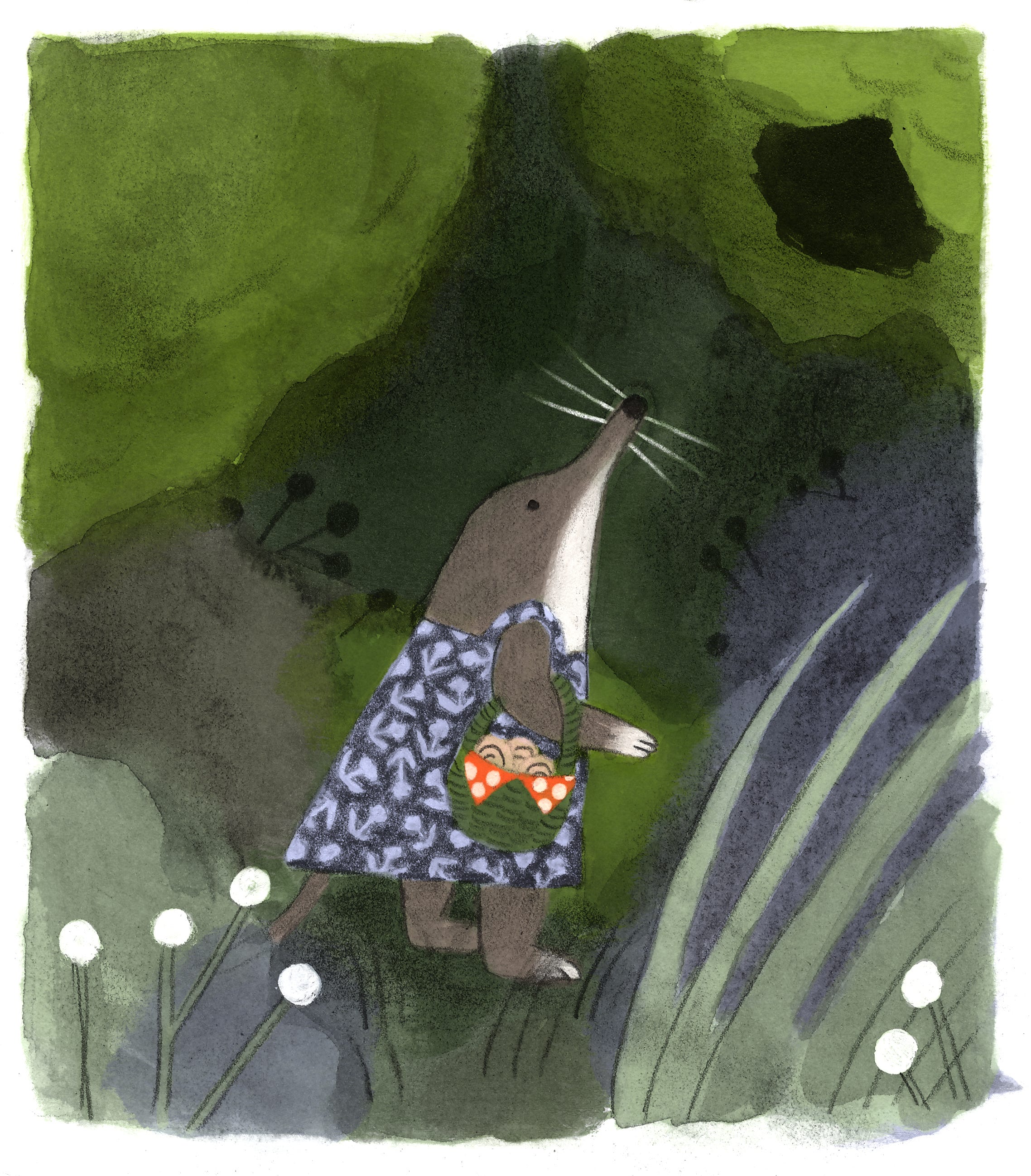
At first, I felt weird about using digital tools for the final illustrations. Don’t get me wrong, I’m not against digital art in picture books - it’s just not what I do, usually. But I liked the result and enjoyed the process - so why not?
I made a couple more to see if I could sustain this rendering through a whole book - and have fun doing it.
Another outdoor scene:


Then a first indoor scene:


And a second one:


I loved making these tests. I was looking forward to illustrating this book again!
As a side note, initially, my editor wasn’t into them. She thought they looked dark, unfinished and messy. Which is what I was aiming for - to a degree. I reassured her that working at print size (rather than very small) would allow me to paint images that looked a little more controlled (while trying to keep that spontaneous feel!) and that I would be more careful with the darks.
A note on materials
For those of you who are interested in knowing the specifics when it comes to materials, here are the materials I ended up using for this book:

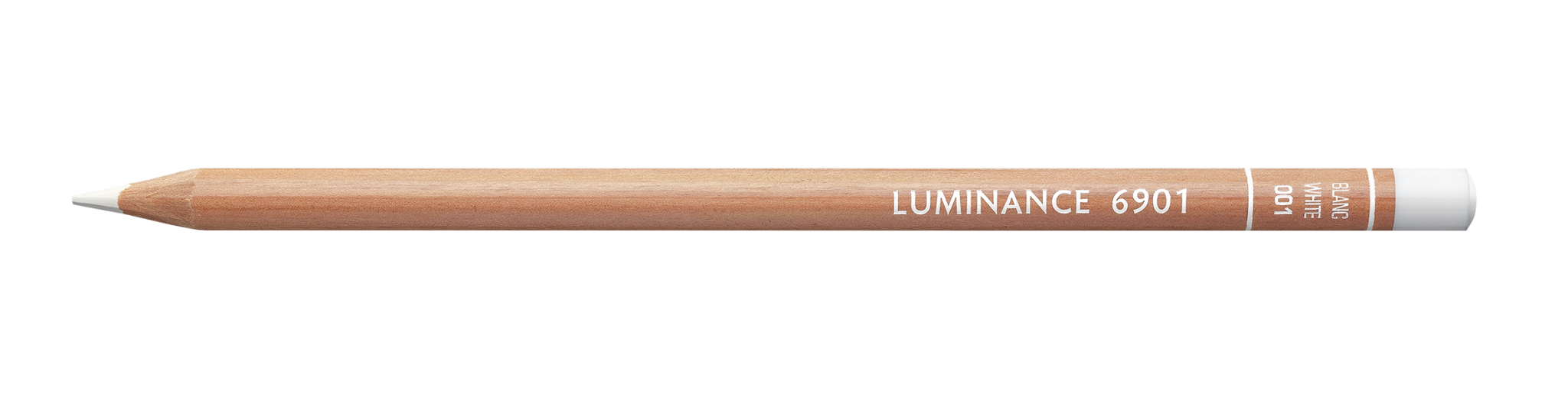
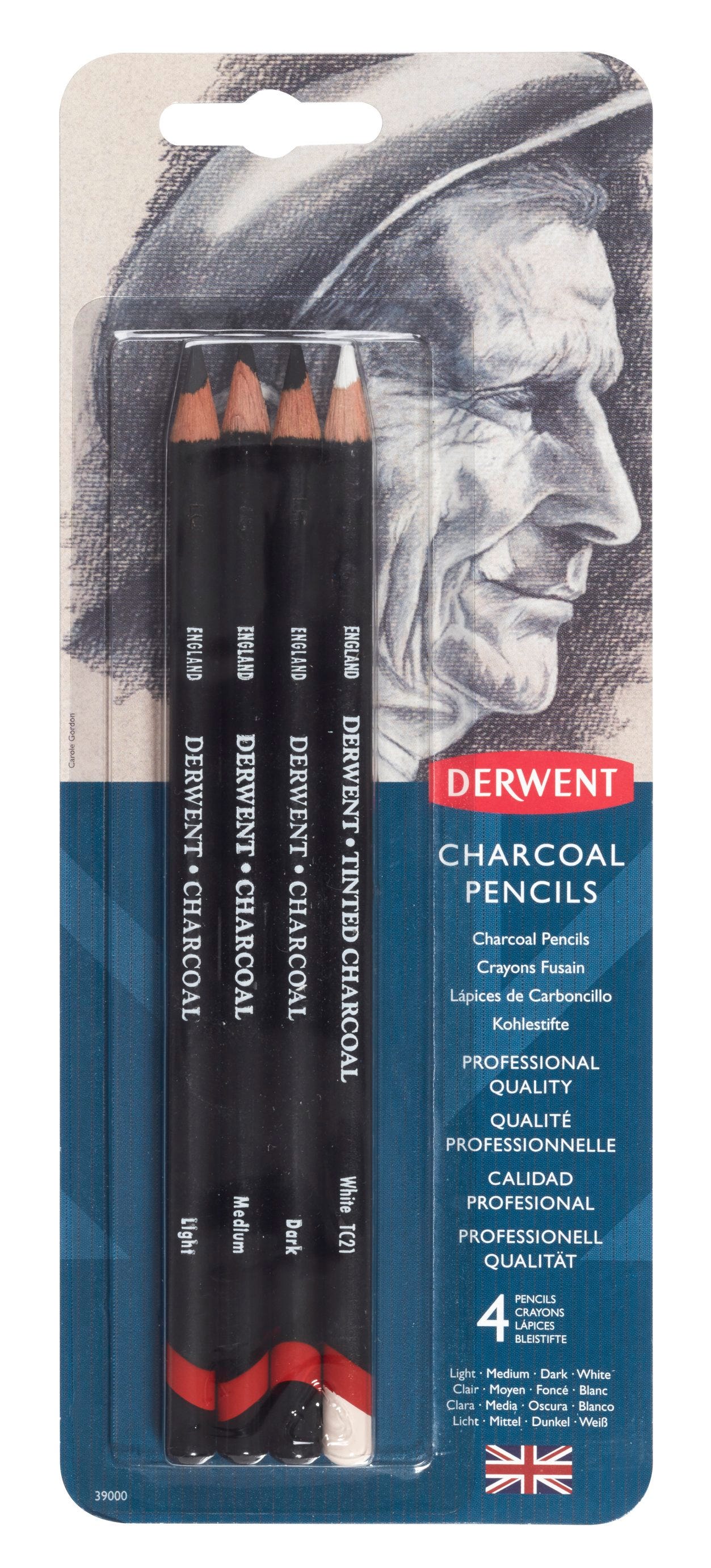
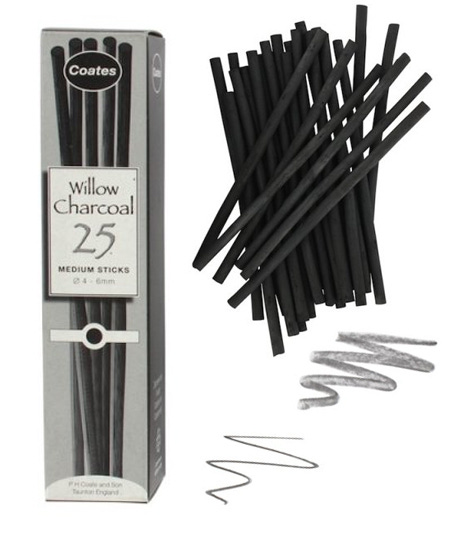
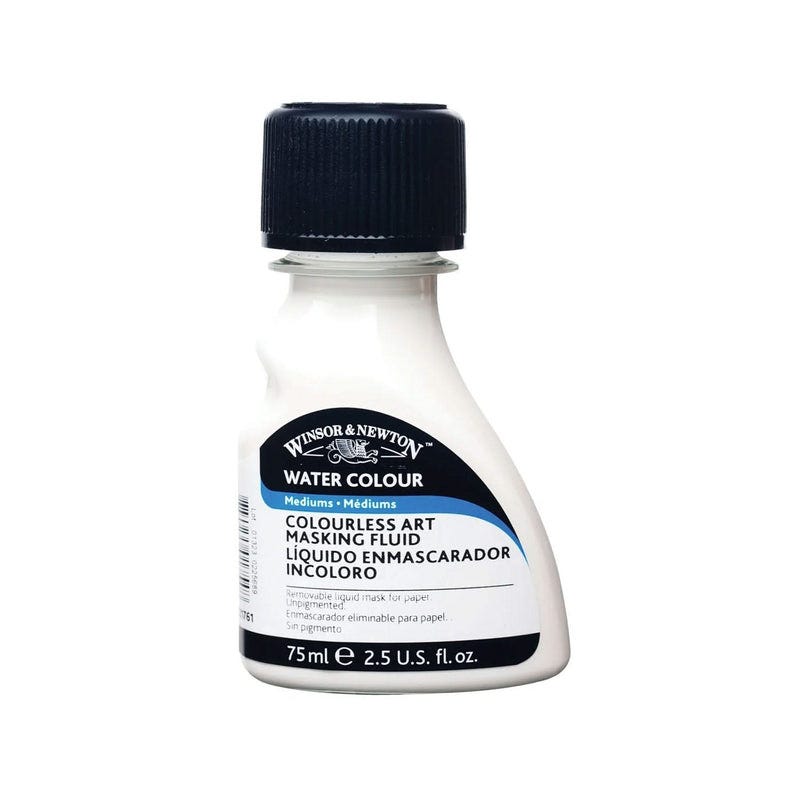
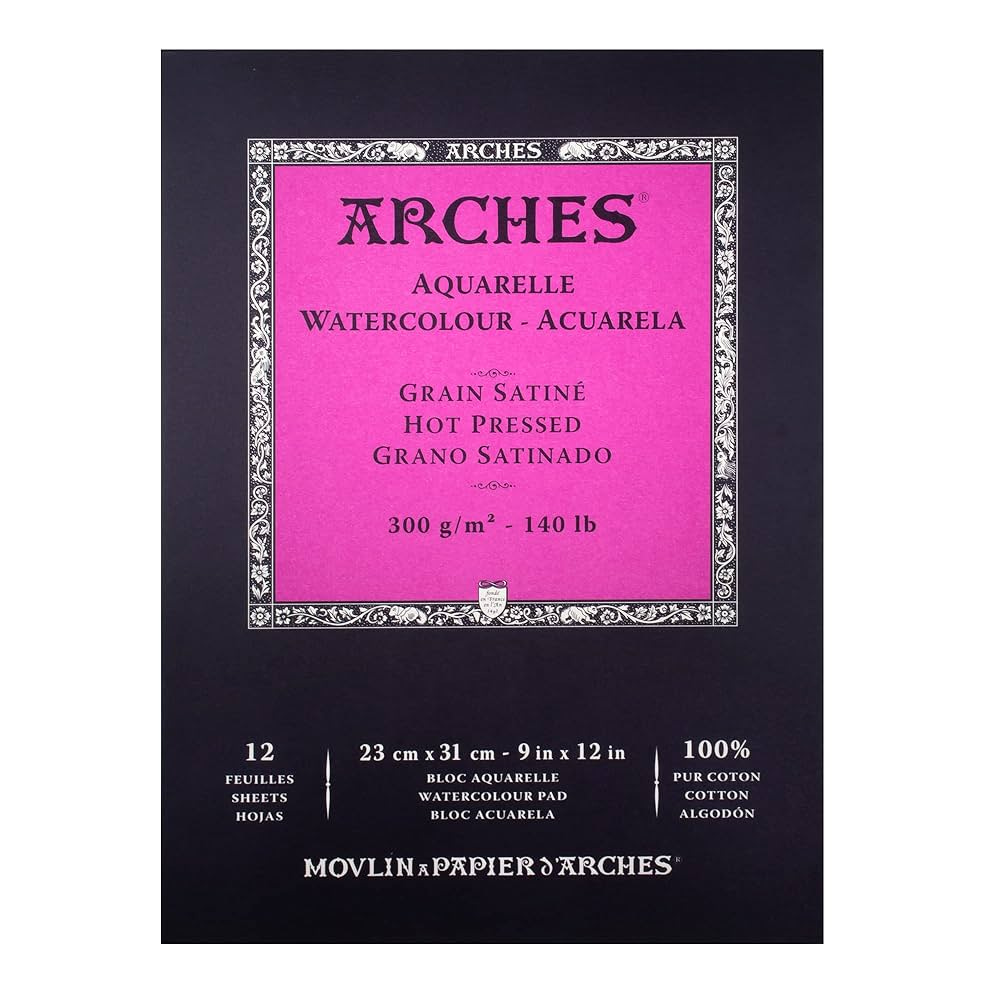
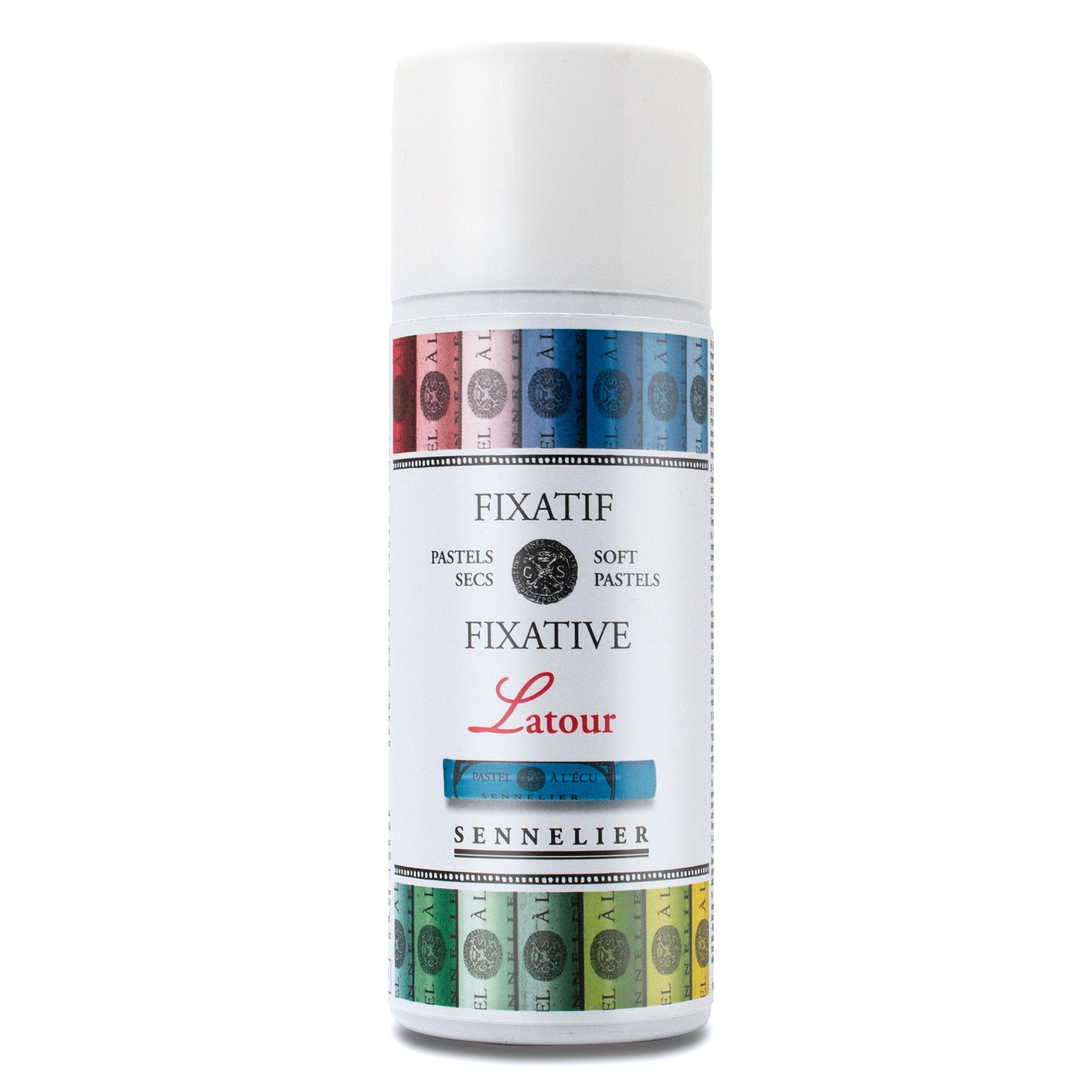
That’s it for now! I’ll tell you a bit more about making the final illustrations in the next post (two weeks from now, if I can stick to this schedule). Subscribe so you don’t miss it when it does go out!
Let me know if you have any questions about these illustrations or about this book in general.
Thank you for being here. It’s a gift to be read!
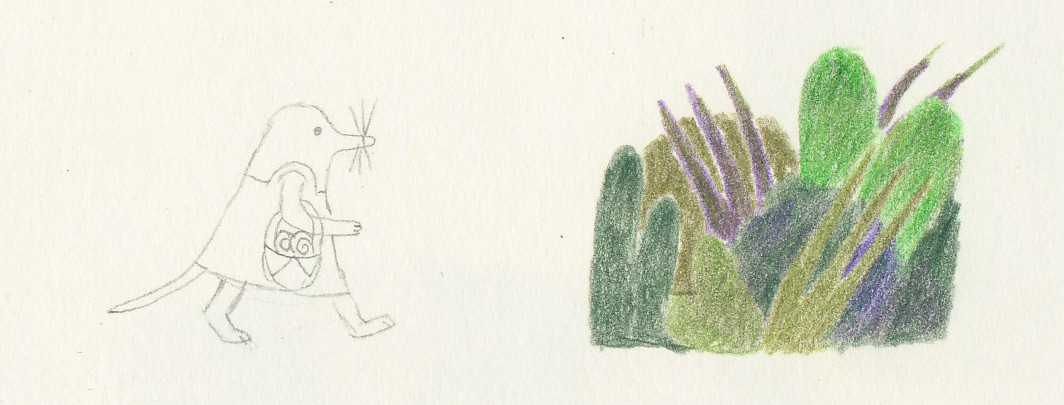
I try really hard to keep in mind something I heard Lynda Barry say in an interview (on Design Matters): “My teacher, Marilyn, taught me this amazing thing. She did it with one sentence. We were looking at a drawing that I did, and I said, ‘I don’t really like this drawing. I don’t really know how I feel about it.’ She paused and went, ‘It’s none of your business.’ That was the fulcrum. That’s the crucial moment of my entire career.”
Drawings don’t have to be good or bad. They just are.
(At least, that’s what I try to convince myself of as I draw a weird-looking little forest scene.)
This was great, thanks for sharing all details. Just to clarify, first you create a grayscale ink version, scan that in, then do digital color in Procreate over the top of the grayscale? Do you do a blend mode like multiply or overlay? Or maybe you do an Alpha Lock on the grayscale layer and color directly on the layer?
I love your process! I also would like to be more experimental. It is so great to see how you work on your sketchbook, and the little sample papers with colour tests. It looks a bit like museum samples of some sort. :)
I am curious about what size of sketchbook you use, is it A4?